How to Organize a Community Repair Café in Your Neighborhood: A Practical Guide
Somewhere in your neighborhood, there's a drawer full of broken things nobody knows what to do with — a lamp with a frayed cord, a jacket with a busted zip, a toaster that just stopped toasting. A repair café turns that drawer into a community moment. People bring broken items, skilled volunteers help fix them, and everyone goes home with something that works again. No cash transaction, no landfill, no waste.
If you've been thinking about starting one, this guide walks you through every practical step — from securing a venue to running your first session and building it into something that lasts.
What Is a Repair Café and Why Does It Matter?
A repair café is a free, community-run event where volunteer repairers help people fix everyday broken items. The concept originated in Amsterdam in 2009 and has since spread to thousands of locations worldwide, driven entirely by grassroots energy and a shared belief in circular economy values.
The idea sits at the intersection of several things that matter right now: waste reduction, skill-sharing, and the growing right to repair movement, which argues that people should be able to fix the things they own rather than being forced to replace them. A repair café makes that argument tangible. When a volunteer fixes your grandmother's sewing machine in front of you, you see repair as normal — not exceptional.
Beyond the environmental case, repair cafés are social infrastructure. They bring together people who might never otherwise meet: an electrician in her seventies and a teenager who wants to learn how circuits work. That kind of skill-sharing builds community resilience in ways that are hard to quantify but easy to feel.
Choosing the Right Venue and Setting a Date
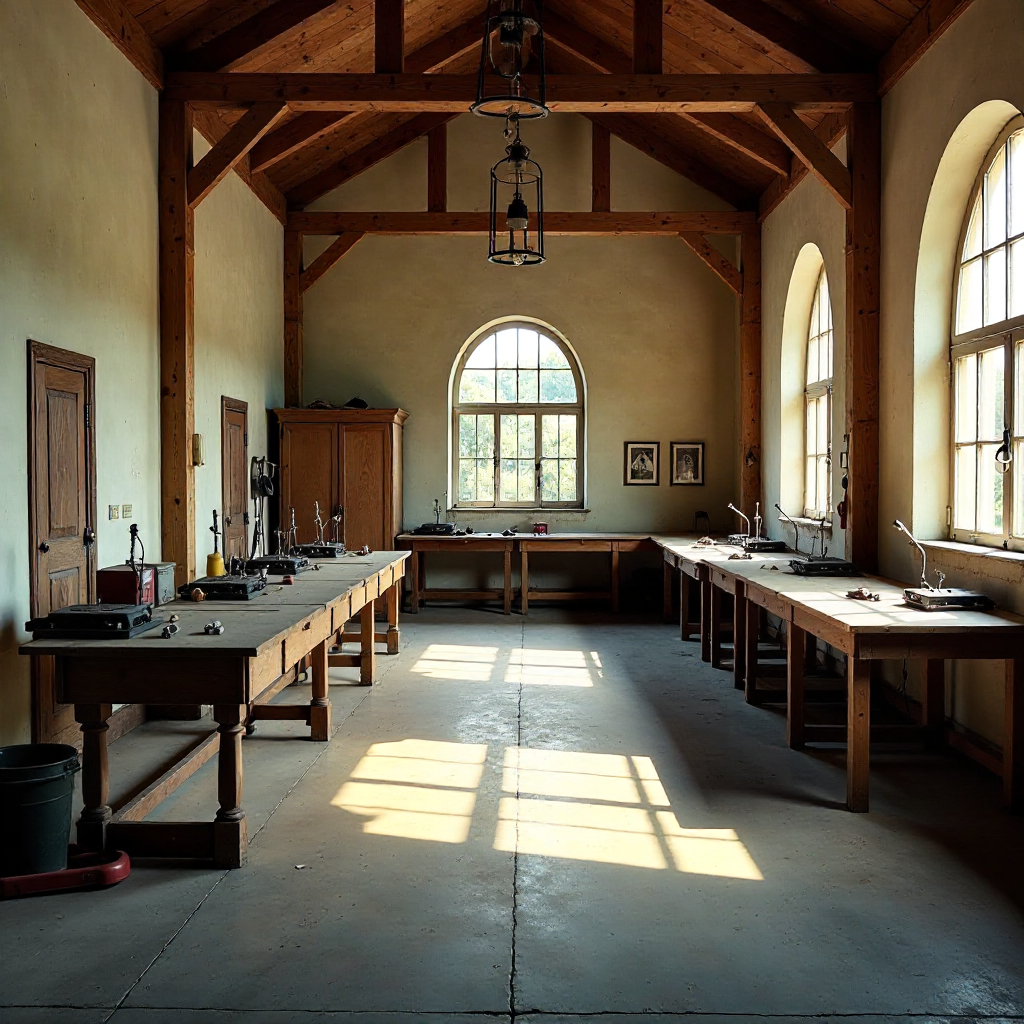
The best venue for a repair café is accessible, free or low-cost, and large enough to set up several repair stations simultaneously. Community halls, public libraries, faith buildings, local shops with back rooms, and maker spaces all work well.
When approaching a venue, be specific about what you need: tables for repair work, access to power outlets (essential for testing electrical items), good lighting, and ideally a small area where people can wait and chat over tea. Many community spaces will offer the room for free in exchange for the public benefit — frame it that way when you ask.
For your first event, a Saturday morning between 10am and 1pm tends to work well. Three hours is enough to run a meaningful session without exhausting your volunteers. Once you've found a venue, commit to a recurring schedule — monthly is the most common cadence — rather than a one-off. Regularity builds trust and makes it easier for people to plan around you.
Recruiting Volunteer Repairers and Skill Sets You'll Need
A repair café works best with a mix of skill sets covering the most common categories of broken items people bring. Aim to recruit volunteers with experience in at least four areas: electronics and small appliances, textiles and sewing, furniture and woodwork, and bicycles.
Where do you find them? Start closer than you think. Post in local Facebook groups, Nextdoor, and neighborhood WhatsApp chats. Contact local repair shops, community colleges with trade programs, and retired professionals' networks. Many skilled people want to share what they know but have never been asked directly.
When onboarding volunteers, keep it simple. A short briefing before the first event covers the basics: how to greet participants, how to explain what they can and can't fix, and how to handle a repair that turns out to be beyond the scope of the session. You don't need formal contracts for a grassroots event, but a one-page volunteer agreement covering expectations and liability acknowledgment is worth having.
One thing worth building in from the start: a learning culture. Some of your best volunteers will be people who are competent but not expert — and participants who come to watch and learn often become volunteers themselves within a few sessions.
Gathering Tools, Materials, and Safety Essentials
Your toolkit doesn't need to be comprehensive on day one, but a few essentials are non-negotiable. For electronics work: a multimeter, soldering iron, basic screwdriver sets, and a PAT tester if you plan to test repaired electrical items before returning them. For textiles: a sewing machine (one is enough to start), needles, thread, and scissors. For general repairs: pliers, wire strippers, sandpaper, wood glue, and clamps.
Many volunteers will bring their own tools, which reduces what you need to provide centrally. A shared Google Sheet or simple inventory list helps avoid duplication and gaps.
On safety and liability: this is where first-time organizers often feel uncertain. The honest answer is that most repair cafés operate as informal community events, and liability risk is low when managed sensibly. A participant intake form that notes the item brought, the repair attempted, and a disclaimer that the volunteer is offering their best effort — not a professional guarantee — covers the basics. Check whether your venue's public liability insurance extends to events; if not, organizations like Repair Café International offer guidance and some coverage options for affiliated groups.
Spreading the Word: Community Outreach and Promotion
Low-cost promotion works well for repair cafés because the concept is genuinely interesting to people — it doesn't need a big budget to travel. A combination of digital and physical outreach covers most of your audience.
Digitally: create a simple Facebook event or Eventbrite listing, post in local community groups, and ask your volunteers to share it with their own networks. A short post with a photo of broken items and the message "bring it, don't bin it" tends to land well.
Physically: print A5 flyers and ask local cafés, libraries, community centers, and GP surgeries to display them. Notice boards in supermarkets and launderettes still reach people who aren't active on social media — don't underestimate them.
Reach out to your local sustainability network or environmental groups early. They often have established audiences and are natural allies. A mention in a local council newsletter or a short piece in a free neighborhood paper can bring in a wave of first-time visitors who wouldn't have found you otherwise.
Running the Event: What to Expect on the Day
On the day of your repair café, arrive at least 45 minutes before the doors open. That time goes fast when you're setting up stations, testing power outlets, briefing volunteers, and laying out the intake forms.
The flow of a session typically looks like this:
- Intake: A greeter welcomes participants, notes their name, the item they've brought, and a brief description of the fault. This creates a simple queue system and gives repairers a heads-up before they start.
- Triage: A volunteer does a quick assessment — can this be fixed here today, or does it need parts or specialist tools? Being honest about what's possible prevents frustration on both sides.
- Repair: The participant stays with the repairer wherever possible. This is the skill-sharing heart of the event. Watching the repair happen — and being invited to help — is part of what makes a repair café different from dropping something at a shop.
- Documentation: Note the outcome: fixed, partially fixed, or not repairable today. This data becomes your impact record over time.
- Wrap-up: Thank volunteers publicly, pack down together, and gather any feedback while it's fresh.
Expect a mix of outcomes. Not everything will get fixed, and that's fine. A repair café isn't a repair shop — it's a community experiment in doing things differently.
Growing Your Repair Café Into a Recurring Initiative
Turning a one-off event into a regular fixture takes consistency more than anything else. Show up on the same day each month, keep the process simple, and let word of mouth do the heavy lifting. Repair cafés that grow steadily tend to do so because participants become volunteers, and volunteers become organizers.
Track your impact from the beginning. A basic spreadsheet logging items brought, items fixed, and estimated weight of waste diverted from landfill gives you something concrete to share. After six months, those numbers tell a story — and that story helps you attract partners, apply for small grants, and make the case to your local council for support or a permanent venue.
Connect with the wider repair exchange community. The Repair Café Foundation offers a starter kit, a global map of affiliated cafés, and a community of organizers you can learn from. Joining a local sustainability network also opens doors — to shared resources, co-promotion, and sometimes funding that individual groups can't access alone.
Upcycling workshops, clothing swaps, and skill-sharing evenings all sit naturally alongside a repair café and can deepen your event's reach without requiring a completely new infrastructure. Build slowly, document everything, and resist the urge to scale before the core event is running smoothly.
Frequently Asked Questions
Do participants need any repair skills to attend?
No. Participants can simply bring a broken item and let the volunteer repairers do the work. That said, staying to watch and ask questions is encouraged — many people pick up useful skills just by being present.
What items can and can't be brought to a repair café?
Most repair cafés accept small electrical appliances, clothing and textiles, furniture, bicycles, and household items. Items that are typically excluded include gas appliances, large white goods, and anything requiring specialist parts that can't be sourced on the day. Check with your volunteer team before advertising what you'll accept.
Is there a cost to run or attend a repair café event?
Attendance is free for participants. Running costs are low but real — venue hire, printed materials, consumables like solder and thread. Many repair cafés cover these through a donation box, small grants from local councils or environmental funds, or in-kind support from local businesses.
How do I handle liability if a repair goes wrong?
Use a participant intake form with a clear disclaimer stating that repairs are offered in good faith by volunteers, not as professional services. Most venues carry public liability insurance that covers community events — confirm this before your first session. For additional guidance, the Repair Café Foundation's starter materials include liability templates used by groups internationally.
How does a repair café connect to the broader right-to-repair movement?
The right-to-repair movement advocates for legislation requiring manufacturers to make products fixable — with available parts, documentation, and tools. A repair café is the grassroots, practical expression of that same principle: the belief that fixing things is a right, not a luxury. Every item repaired at a community event is a small argument for a different relationship between people, objects, and waste.